
Professional Videographer Camera: Match Gear to the Shoot
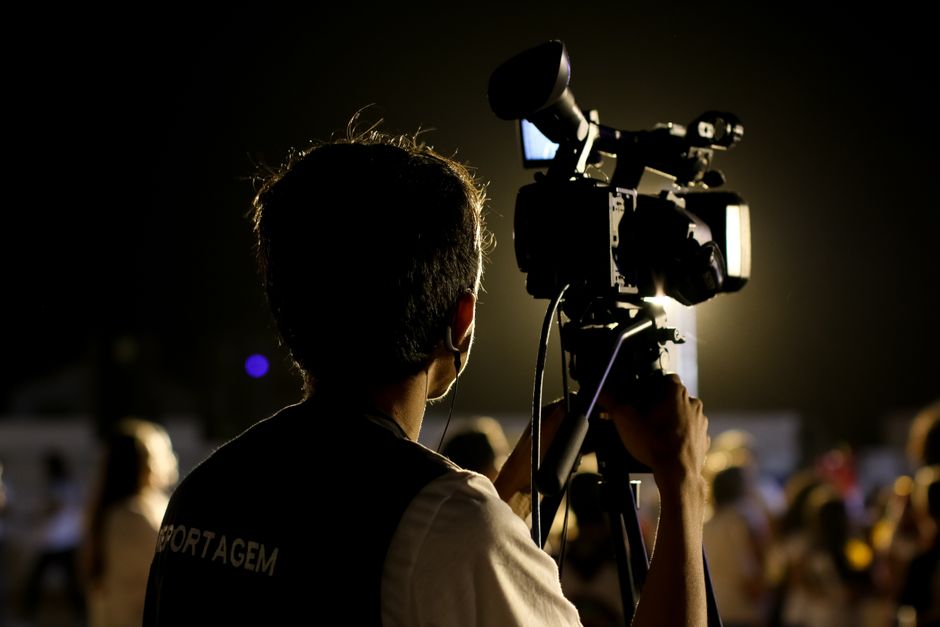
A professional videographer camera should fit the job: a camcorder such as the Canon XA70 suits long events with built-in zoom, XLR audio and dual-card recording; a hybrid like the Panasonic GH7 suits flexible productions; and cinema cameras such as the Sony FX3 or FX6 suit video-first workflows. Compare body price with lenses, audio, media, power and storage before choosing.
What camera do professional videographers use?
Professional videographers use different camera types because events, interviews, documentaries and commercial shoots demand different workflows. The useful question is not which camera has the biggest headline resolution. It is which setup can record the required image and sound reliably, for the needed duration, with manageable cost and complexity.
A camcorder keeps key parts of the kit together. Canon’s XA70 combines a built-in 15x optical zoom, two XLR inputs, 4K UHD up to 30p, 5-axis optical image stabilization and Dual-Pixel autofocus. Its dual SD slots support relay and simultaneous recording. That combination maps directly to event work: zoom, audio connections and in-camera recording redundancy are built into one camera.
A hybrid mirrorless body trades that integration for a more flexible lens-based system. Panasonic lists the GH7 at $1,799.99 on sale or $2,199.99 regular price for the body. It records 5.7K 30p ProRes RAW HQ internally, though not to SD card, and supports unlimited 4:2:2 10-bit C4K/4K 60p/50p recording within the recommended operating temperature. Recording capacity still depends on battery and media.
Video-first cinema cameras suit productions that need their particular recording formats and production connections. Sony lists the FX3A at $3,999.99 on sale, with 4K 120p and internal 10-bit 4:2:2 recording. The FX6 launch announcement specified 12G-SDI, timecode in/out and four-channel audio through its XLR interface. Its launch price was approximately $5,999.99; that is a historical reference, not a current quote.
Which camera is best for professional videography?
The best camera for professional videography is the one whose recording workflow matches the shoot: the XA70 for integrated event coverage, the GH7 for flexible hybrid work, and the FX3 or FX6 when cinema-camera features fit the production.
For events, compare the cost of a self-contained camcorder with the added pieces an interchangeable-lens setup needs. The XA70’s built-in zoom, two XLR inputs and dual-card relay or simultaneous recording reduce separate equipment and simplify long coverage. Canon identifies documentary, corporate events and education as uses for its XA-series professional camcorders.
For interviews and documentary work, choose around the intended framing, focus needs and sound chain. The GH7 can record high-spec internal formats, but its ProRes RAW HQ mode requires media other than SD. Its 32-bit-float audio feature requires the optional DMW-XLR2. The FX3 supports a detachable top handle with two XLR/TRS inputs, making it a compact alternative when professional audio connections matter.
For commercial filmmaking, the FX6’s full-frame 10-bit 4:2:2 recording up to 4K 120p, 12G-SDI and timecode tools support workflows that call for those features. Sony also specifies compatibility with more than 50 native E-mount lenses. Such breadth does not make every lens necessary: the actual kit should follow the shots and deliverables, not the full catalog.
Use this decision path: choose an integrated camcorder when long recording, built-in zoom, XLR and card redundancy lead; choose a hybrid mirrorless camera when interchangeable lenses and mixed use matter; choose a cinema camera when the production needs its recording modes, monitoring or signal connections. Then verify the exact recording mode against camera temperature guidance, battery needs and media requirements.
How much does a good videography camera cost?
A good videography camera costs from $1,799.99 to $3,999.99 among the listed current body price examples, with the Sony FX6’s approximate $5,999.99 launch price serving as a dated higher-tier reference. These figures are camera-body or launch prices, not complete production-kit budgets.
| Option | Who it suits | Published cost | Key limitation or planning point |
|---|---|---|---|
| Canon XA70 camcorder | Events and production needing built-in zoom, XLR and dual SD recording | From $2,699 | 4K UHD up to 30p |
| Panasonic LUMIX GH7 hybrid mirrorless | Flexible productions needing interchangeable-lens workflow and high-spec recording | $1,799.99 sale; $2,199.99 regular | Internal ProRes RAW HQ is not available to SD card; unlimited 4K 60p/50p recording is within recommended temperature and subject to battery and media |
| Sony FX3A cinema camera | Compact video-first productions using 4K 120p and internal 10-bit 4:2:2 | $3,999.99 sale; $4,299.99 original price shown | Media speed requirements vary by recording mode; recording duration varies with conditions |
| Sony FX6 cinema camera | Productions needing features such as 12G-SDI, timecode and four-channel XLR audio | Approximately $5,999.99 at launch | Current price not published in the supplied source |
A body-only comparison misses the system cost. The supplied sources do not give matched totals for lenses, batteries, audio accessories, memory cards or storage. Price those parts against the recording plan: a camera’s highest-bitrate mode can require faster media, while an interchangeable-lens body needs suitable lenses and may need separate audio equipment.
Media is a technical cost, not an afterthought. FUJIFILM’s card guidance maps 400 Mbps to a 50 MB/s minimum sustained write speed and 720 Mbps to 90 MB/s. It gives 225 MB/s as the minimum for 1,800 Mbps ProRes HQ 4K 60p and 350 MB/s for 2,800 Mbps ProRes HQ 6K 30p. The guidance recommends V60 or V90 SD cards for 4K, but also cautions that a faster card class alone does not ensure compatibility with a camera’s specific mode.
What camera is good for videography?
A good camera for videography has the recording, focus, stabilization, audio and media features the assignment needs, with no costly parts added for features the job will not use. Start with the client deliverable and shoot duration, then match the camera type.
Recording reliability needs precise reading. Sony says FX3 uninterrupted 4K 60p testing used USB power, specified settings and ambient conditions; duration varies with shooting conditions. The product page gives an approximately 13-hour single-clip specification limit. That figure is not a promise that every setup records that long in every environment.
Panasonic says the GH7 can record unlimited 4:2:2 10-bit C4K/4K 60p/50p within the recommended operating temperature, with recording capacity still dependent on battery and recording media. Canon’s XA70 offers dual SD relay and simultaneous recording. These features solve different risks: thermal conditions, finite power and media, and in-camera continuation or backup. None replaces checking the complete recording plan.
Audio connections also shape the camera choice. Two XLR inputs on the XA70 support a direct professional audio workflow without an optional handle. The FX3’s detachable top handle provides two XLR/TRS inputs. On the GH7, the 32-bit-float audio feature depends on the optional DMW-XLR2. Compare not only whether a camera records sound, but how the intended microphones connect and what added hardware that takes.
Autofocus and stabilization affect operation, but the sources do not provide a comparative test across these cameras. Canon lists Dual-Pixel autofocus and 5-axis optical image stabilization for the XA70; comparable evidence for the other models is not included here. Treat those specifications as model features, not proof of a universal ranking.
Frequently Asked Questions
Should I buy a cinema camera, mirrorless camera, or camcorder for paid video work?
Choose a camcorder when built-in zoom, XLR inputs and dual-card event recording reduce setup complexity. Choose a hybrid mirrorless body when interchangeable lenses and mixed photo-video work matter. Choose a cinema camera when its video-focused recording modes and professional connections fit the production; compare the complete kit, not only the body.
What features matter most for filming long events without interruptions?
Prioritize documented recording behavior, temperature conditions, power, media capacity and a backup plan. The Canon XA70 offers dual SD relay and simultaneous recording, while Sony says FX3 recording duration varies with conditions and lists an approximately 13-hour single-clip specification limit. Panasonic describes unlimited 4K 60p recording for the GH7 within its recommended operating temperature, subject to battery and media capacity.
How much should I budget for lenses, audio, batteries, and media with the camera?
The supplied sources do not publish complete kit totals for lenses, batteries, media and storage, so there is no source-backed all-in budget. Add those items to the body price based on the planned recording modes and audio workflow. For example, the GH7’s internal ProRes RAW HQ recording is not available to SD card, and its 32-bit-float audio feature requires the optional DMW-XLR2.
Sources
Related reading
How Do I Create and Update a Construction Site Logistics Plan?
Build a phased construction logistics plan that coordinates site access, safe routes, constrained laydown, delivery bookings, and changing work zones.

Is There a Legitimate $5,000 Grant for Small Businesses?
Learn where to find legitimate small business grants near $5,000, check eligibility, build an application, and spot grant scams.
How Can a Small Factory Find and Prioritize Energy Savings?
Find and rank factory energy savings with bills, operating data, audit recommendations, and facility-specific payback estimates.